Promoting Fire Ecology Research, Education, and Management
The Association for Fire Ecology is an international organization dedicated to improving the knowledge and use of fire in land management. We are scientists, educators, students, managers, practitioners, policymakers, and interested citizens helping to shape the emerging profession and growing field of fire ecology.
AFE news
Contribute to an international study on wildfire resilience, which is gathering place-based insights into the opportunities and challenges of building resilience across fire-prone regions worldwide.
A Beautifully Burned Forest: Learning to Celebrate Severe Forest Fire by Dr. Richard Hutto explores the beauty and ecological importance of severe fire.
A recent issue of Philosophical Transactions of the Royal Society B delves into novel fire regimes under human influence and climate change.
A recording of The Past, Present, and Future of Workforce Development and Education panel from the 4th Southwest Fire Ecology Conference has been uploaded.
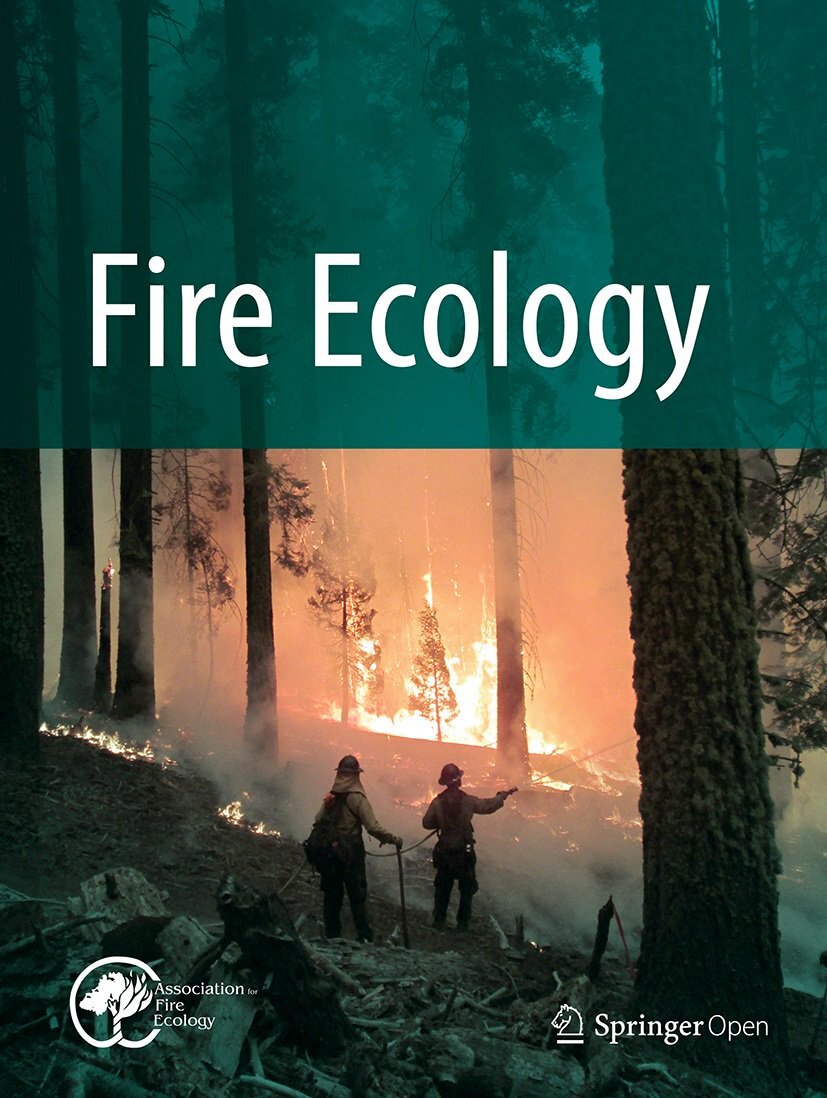
fire ecology Journal
Upcoming EVENTs
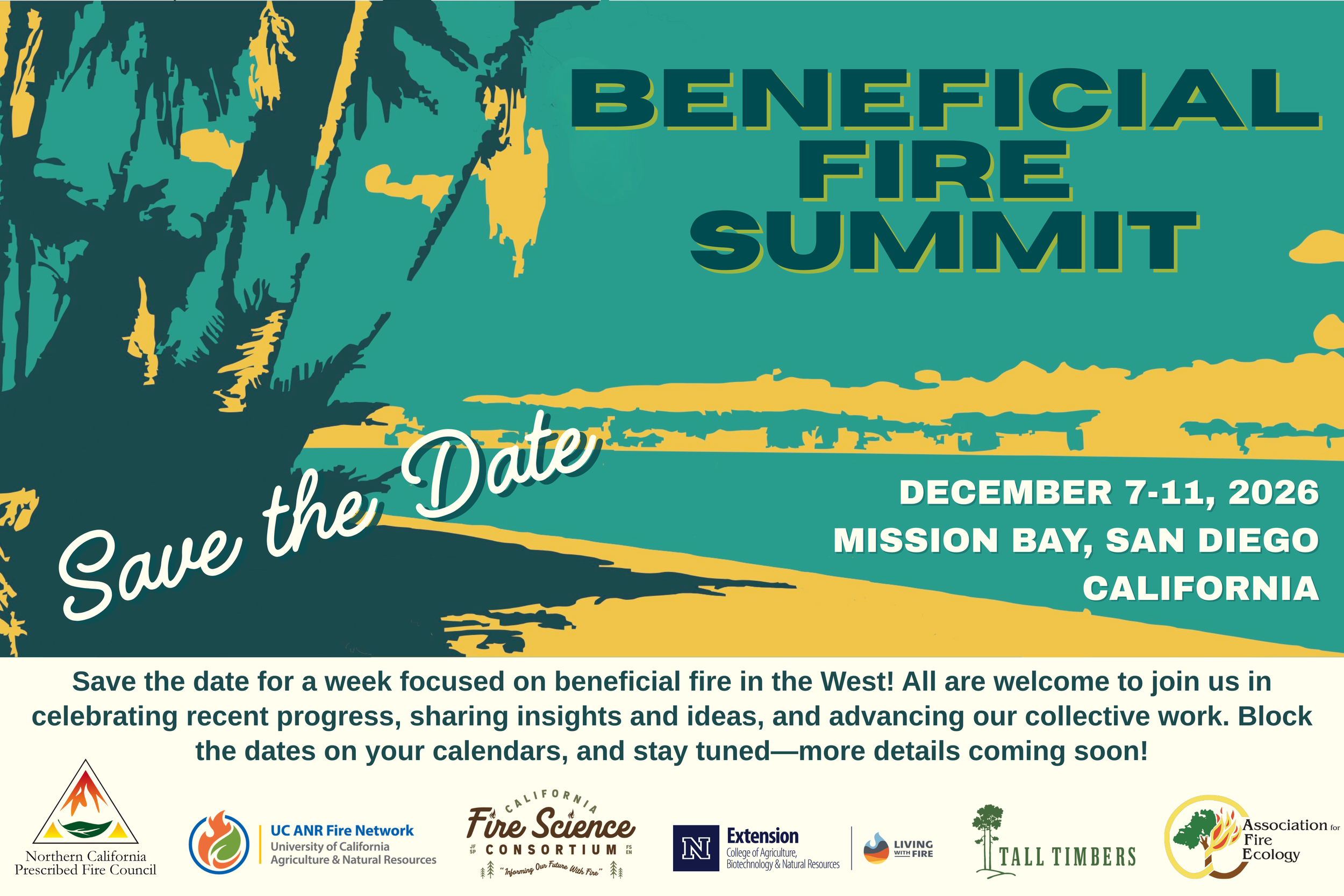
The North American Forest Ecology Workshop will take place June 23-26, 2026 in Missoula, Montana.
SAFE Chapter News
Hosted by the National Center for Landscape Fire Analysis (FireCenter) and the UM Student Association for Fire Ecology and Management (Fire Club), the event brought together practitioners, scientists, fire managers and students.
Members of SAFE from CSU Chico and UC Berkeley recently met up at the Good Fire: Tending Native Lands exhibit at the Oakland Museum of California.
The Eastern Fire Network (EFNet) is a collaborative research and training network to advance understanding of wildfire dynamics and risk in eastern U.S. landscapes, helping to inform fire management and decision-making. As part of a structured program in transdisciplinary science, students will work in interdisciplinary teams and practitioners to co-design solutions to local wildland fire science challenges, linking research to implementation.
LATEST JOB POSTINGS
North Florida Land Trust is looking to hire two (2) seasonal fire technicians for the spring and summer fire season. This position will work closely with the NFLT Stewardship department to accomplish resource management goals surrounding the use of prescribed fire on NFLT preserves.
The Pocahontas County Convention and Visitors Bureau (PCCVB), in collaboration with the Snowshoe Highlands Area Recreation Collaborative (SHARC) and the Monongahela National Forest, is seeking motivated, physically capable individuals to join its Seasonal Trail Maintenance Crew for the 2026 field season.
The ERI Tribal Forest Stewardship and Restoration Program Research Coordinator will implement interdisciplinary and applied science research, outreach, and coordination with partners for the ERI Human Dimensions and Partnerships unit, although they will also work across all ERI units as needed. This senior research coordinator will be responsible for working closely with the Human Dimensions Program Manager (direct supervisor) and the Director of the Tribal Forest Stewardship and Restoration Program to maintain and develop relationships with Tribes and multiple, diverse partners in the SWERI footprint, primarily focusing on Arizona.
The ERI seeks a Research Associate for the newly formed Wildfire Insurance and Resilient Economies (WIRE) Partnership, which will involve close collaboration with the NAU School of Forestry, other ERI units, and ERI and SWERI partners and collaborators. The WIRE Partnership tackles the growing insurance crisis in the Western U.S., driven by the increasing severity of wildfires. It focuses on understanding and innovating insurance models to support communities and businesses, alongside reframing wildfire economics to emphasize prevention and restoration over reactive suppression and commodity extraction.
afe podcast: Fire Ecology Chats
Nuria Sánchez-López and Melanie Taylor discuss understanding how litter and duff accumulate on the forest floor in pine flatwoods of the southeastern United States.
Arik Joukhajian and Sydney Glassman discuss using molecular sequencing to identify the soil bacteria and the soil fungi from microbial communities in the Mojave Desert.
Alyssa Worsham and Jonathan Coop discuss how the right kind of fire can shrink the gap between existing and ideal conditions in U.S. wilderness areas.

An article recently published in Fire Ecology examines unearthing harmful narratives and confronting the ideologies within wildfire protection plans.