Promoting Fire Ecology Research, Education, and Management
The Association for Fire Ecology is an international organization dedicated to improving the knowledge and use of fire in land management. We are scientists, educators, students, managers, practitioners, policymakers, and interested citizens helping to shape the emerging profession and growing field of fire ecology.
AFE news
Contribute to an international study on wildfire resilience, which is gathering place-based insights into the opportunities and challenges of building resilience across fire-prone regions worldwide.
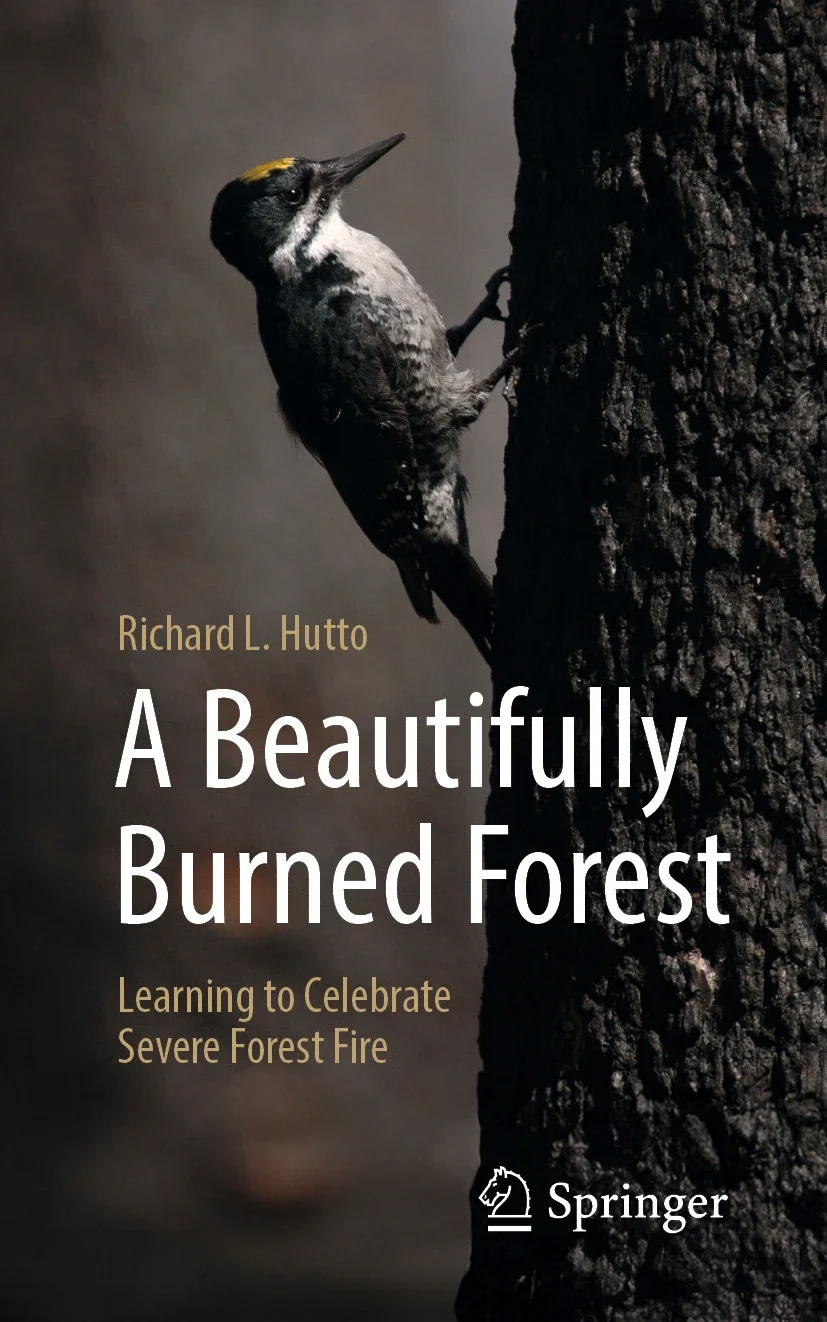
A Beautifully Burned Forest: Learning to Celebrate Severe Forest Fire by Dr. Richard Hutto explores the beauty and ecological importance of severe fire.
A recent issue of Philosophical Transactions of the Royal Society B delves into novel fire regimes under human influence and climate change.
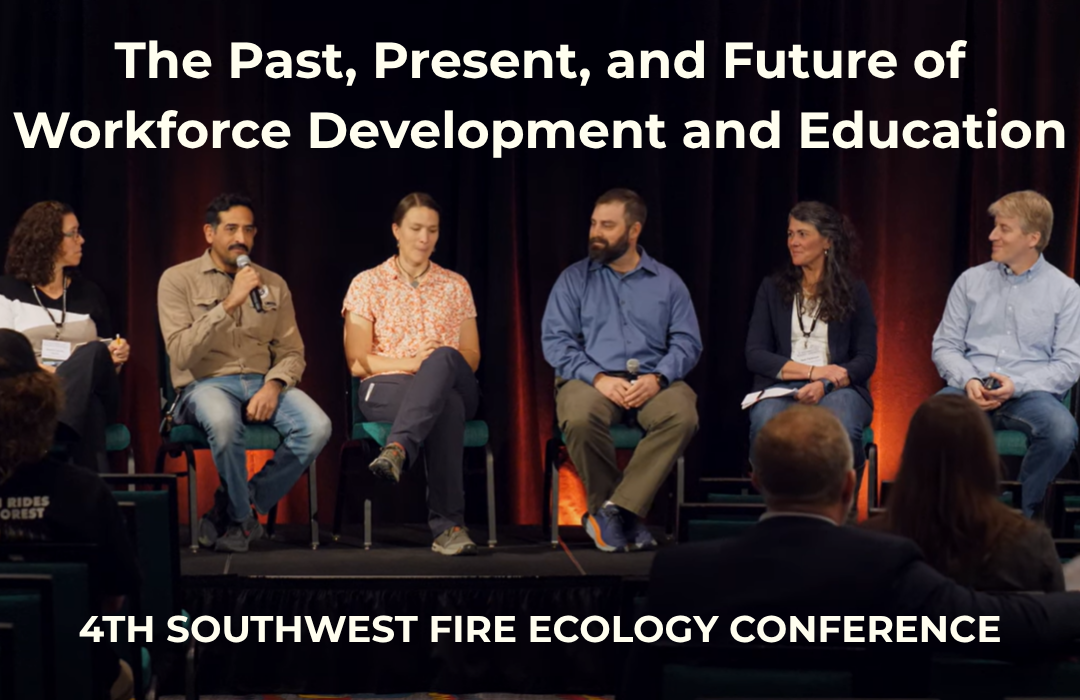
A recording of The Past, Present, and Future of Workforce Development and Education panel from the 4th Southwest Fire Ecology Conference has been uploaded.
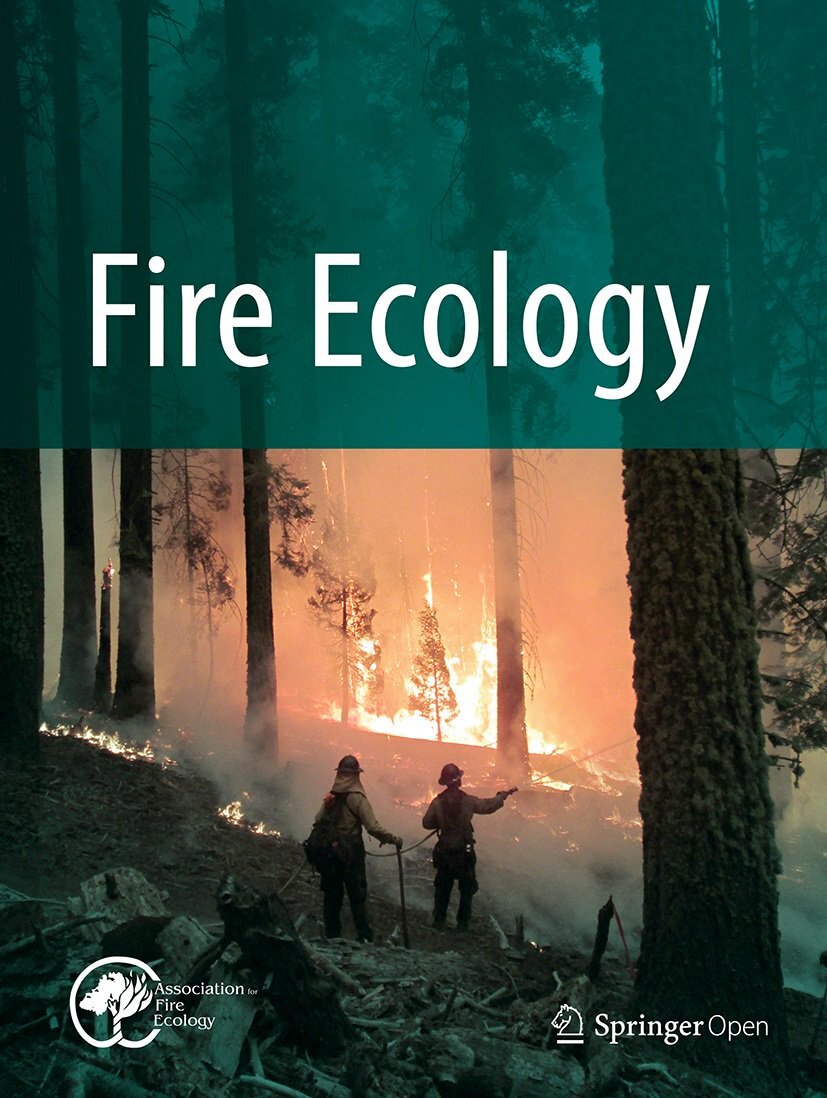
fire ecology Journal
Upcoming EVENTs
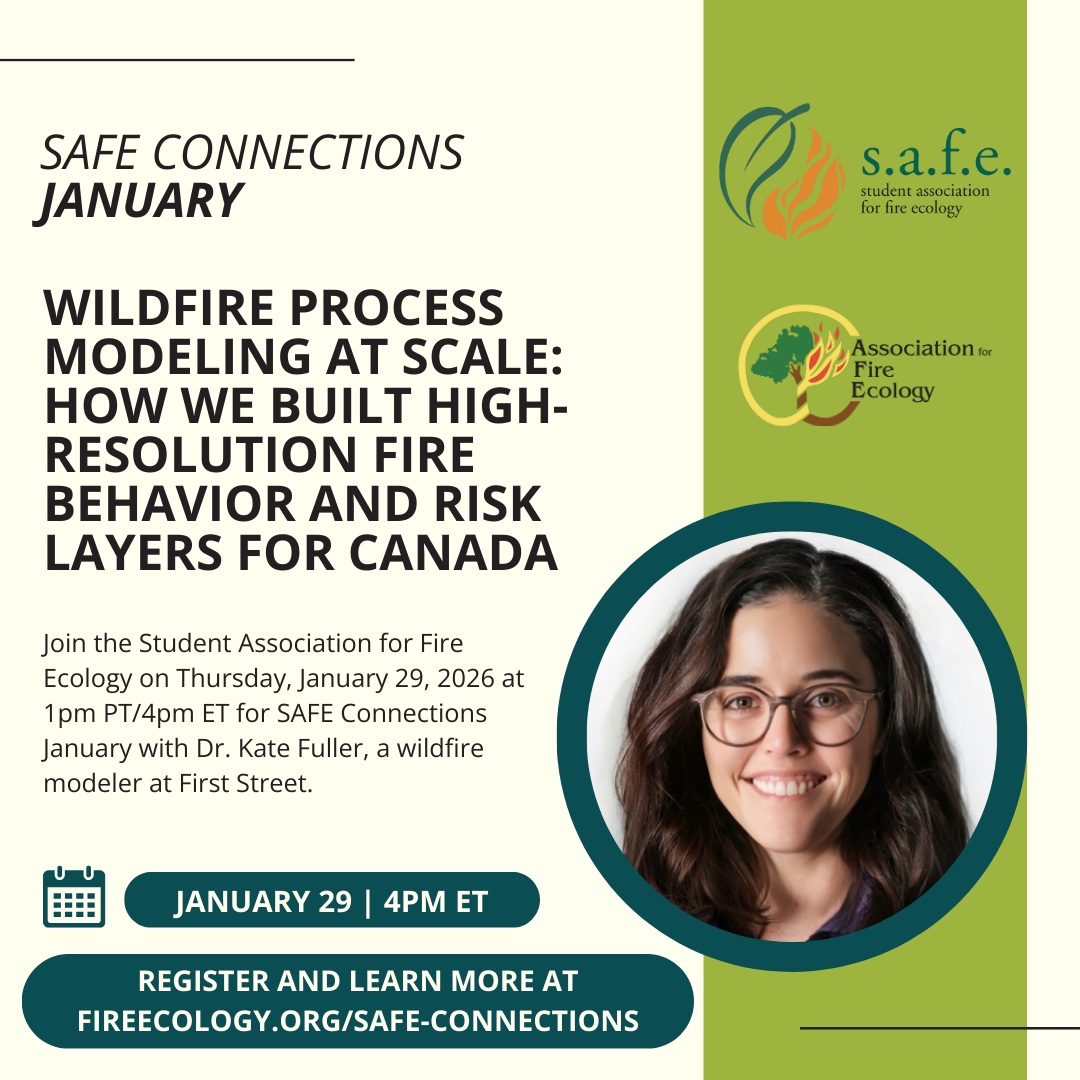
Join SAFE for SAFE Connections January with Dr. Kate Fuller! SAFE Connections January will take place Thursday, January 29 at 1pm PT/4pm ET.
The North American Forest Ecology Workshop will take place June 23-26, 2026 in Missoula, Montana.
SAFE Chapter News
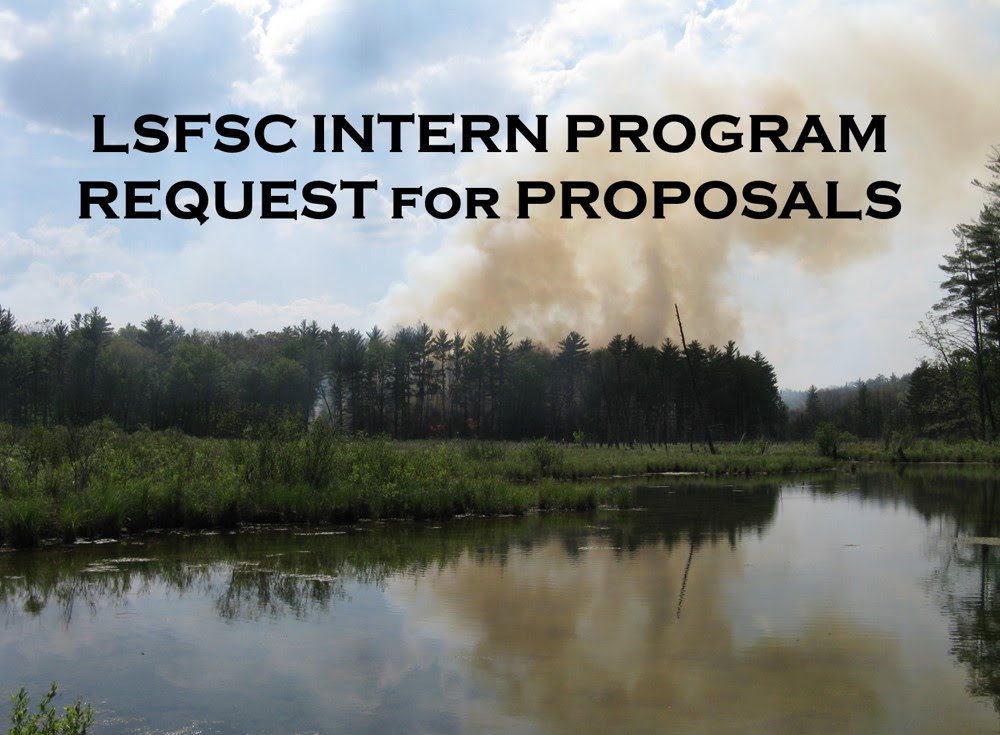
The LSFSC requests proposals to fund student internships that address relevant fire science and management issues associated with northern fire-dependent ecosystems of the Lake States region
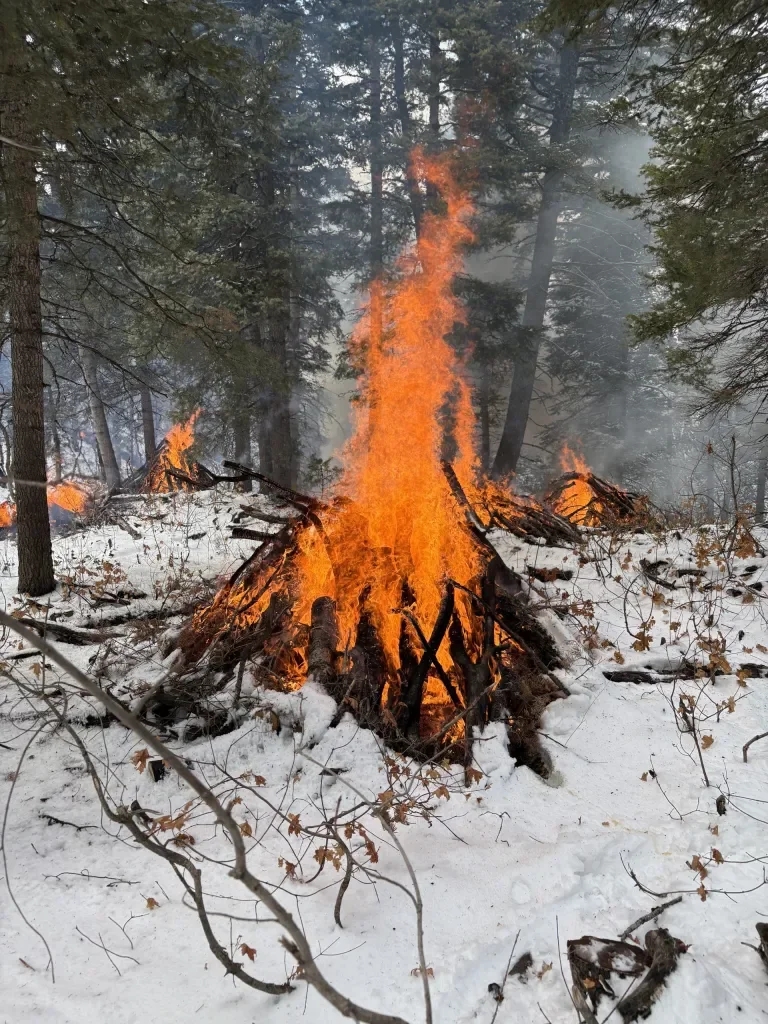
Course instructor Brad Washa and Summit County Lands and Natural Resources Director Jessica Kirby discuss the importance of on-the-ground experience for students and the benefits of agency collaboration.
LATEST JOB POSTINGS
Assist with field data collection for Cal Poly Humboldt Wildland Fire Lab research projects.
Assist with project logistics for Cal Poly Humboldt Wildland Fire Lab on fire ecology and management projects.
The Assistant Module Leader will support the supervision of a team with the primary responsibility of data collection using a terrestrial-based LIDAR system as well as traditional vegetation sampling methods. They will work with cooperators to post process data that gets integrated into Forestry and Fire Management plans. The module will assist with project work, training implementation, or other duties and projects as assigned by the project manager, when not participating in data collection work.
The Module Leader will supervise a team with the primary responsibility of data collection using a terrestrial-based LIDAR system as well as traditional vegetation sampling methods. They will work with cooperators to post process data that gets integrated into Forestry and Fire Management plans. The module will assist with project work, training implementation, or other duties and projects as assigned by the project manager, when not participating in data collection work
afe podcast: Fire Ecology Chats
William Nikolakis discusses pursuing transformative policies relating to indigenous fire stewardship.
Andrea Nocentini discusses optimizing prescribed fire management in subtropical wetlands using a numerical model.
Jeffery Cannon, Nicole Zampieri and Morgan Varner discuss using terrestrial lidar to measure crown scorch as a repeatable, efficient, and objective method.

An article recently published in Fire Ecology examines unearthing harmful narratives and confronting the ideologies within wildfire protection plans.